
Guest and Visitor Parking for HOAs and Apartments
A guest list on a clipboard and a stack of paper hangtags is not a visitor parking system. Here's how digital permits and visitor passes actually work for HOAs and apartment communities.
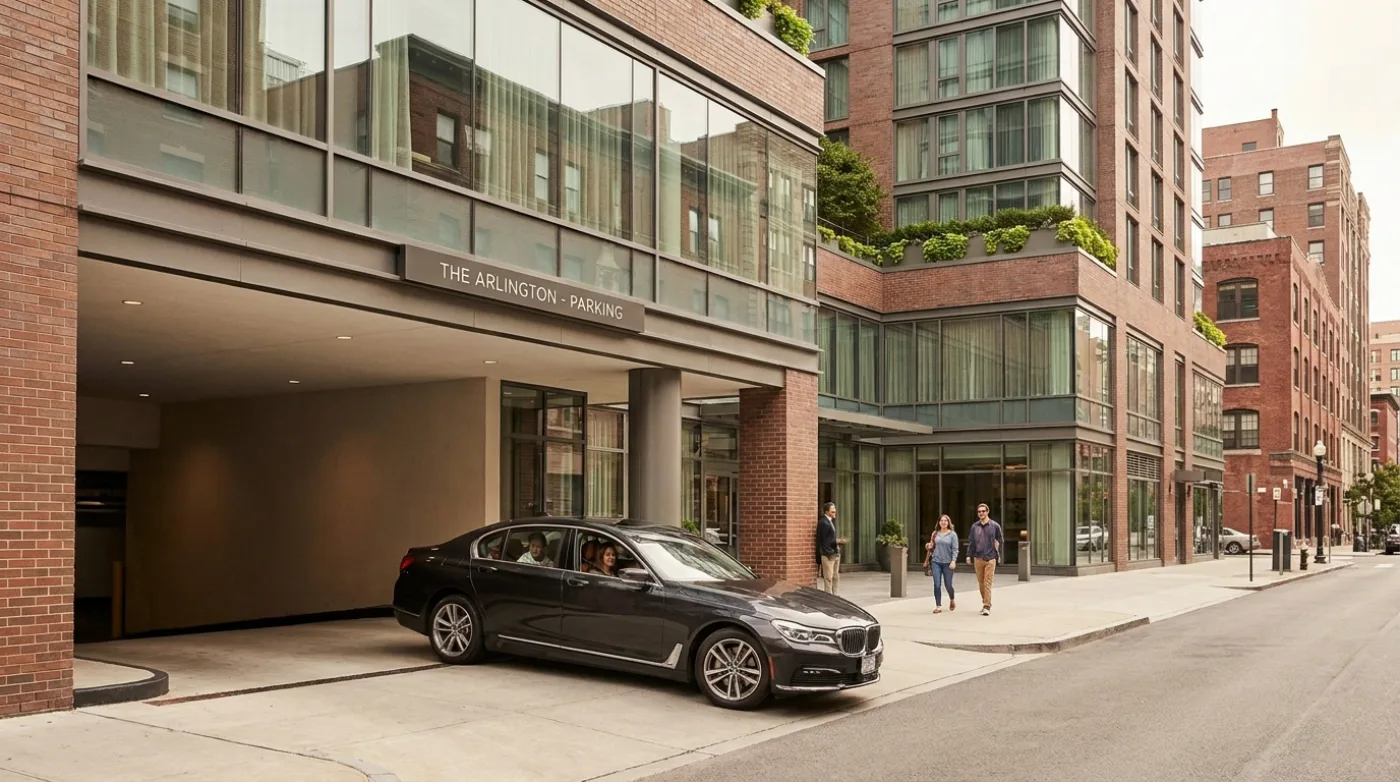
Every HOA board and every apartment manager runs into the same problem eventually: a resident has a guest coming, and there's no good way to let that guest park without either calling the front office, printing a temporary pass, or hoping nobody from the towing company notices an unfamiliar car before someone remembers to explain it.
The problem with the way most communities handle it today
The default setup at most residential properties is some combination of a printed hangtag for residents, a sign-in sheet or phone call for visitors, and an honor system for everything else. It mostly works until it doesn't: the hangtag gets left in a car that's sold, the sign-in sheet is at the office that's closed on weekends, and the visitor who was supposed to be added to "the list" never made it there because whoever was supposed to call it in forgot.
None of this is anyone's fault exactly. It's what happens when visitor access depends on a physical object or a phone call, both of which have a failure point built in.
How digital visitor passes actually work
The mechanism is simple: a resident generates a QR pass from their phone for a specific guest, for a specific window of time. The guest scans it on arrival, at a gate, at a sign, or just to register their plate, and that's the whole interaction. No hangtag to hand over, no name to add to a list, no call to the front office.
The pass can be one-time (for a single visit) or time-boxed (a weekend, a week, however long makes sense). Once it expires, access ends on its own. Nobody has to remember to remove it.
Permit vs. visitor pass: what's the difference
These solve two different problems and shouldn't be confused:
A permit is for someone who lives there or regularly needs access: a tenant, a staff member, a long-term contractor. It's tied to a plate or a unit and stays active until someone actively removes it.
A visitor pass is for someone who doesn't live there and isn't going to need access indefinitely: a guest, a delivery, a one-time repair visit. It's issued for a window and expires automatically.
Property managers who try to solve visitor access with permanent permits end up with a permit list that never gets cleaned up. Property managers who try to solve tenant access with one-time passes end up re-issuing the same pass every week. Using the right tool for each case is most of what makes this work smoothly.
Enforcement without making it a fight
The point of enforcement here isn't to be punitive: it's to make sure the handful of people ignoring the system don't create a problem for everyone who's using it correctly. Automated plate-based enforcement flags a vehicle that doesn't match an active permit or visitor pass, with a timestamped photo, rather than an attendant deciding on the spot whether to call for a tow.
That distinction matters for how residents experience it. A flagged vehicle becomes a record you can review and act on deliberately: a notice, a follow-up with the resident who was supposed to issue a pass, or, if it's a repeat problem, actual enforcement. It's not an automatic tow the first time someone's cousin visits for the weekend and nobody got around to issuing a pass.
Setting this up across multiple buildings
For a property manager or management company running more than one building, or an owner running parking across a whole real estate portfolio, the part that actually saves time isn't the individual pass, it's having every property's permits, visitor passes, and enforcement records in one place instead of a different spreadsheet or sign-in sheet per site. Adding a new building doesn't mean setting up a parallel system; it's another location under the same login, with its own permit list and its own visitor activity, reportable the same way.
Where to start
If you're running this off paper hangtags and a sign-in sheet today, the smallest version of this to try is just the visitor pass: let residents issue their own guest passes from their phone, which works off a QR code and a text link and see how much of the front-office traffic that removes. Tenant permits and automated enforcement are natural next steps once the visitor flow is working.
See how OpenSpot's residential solution handles both tenant permits and visitor passes from one dashboard, with nothing for residents to install.
Frequently asked questions
OpenSpot is a free QR and LPR parking platform for US operators.
Follow on LinkedInMore for operators.

NYC Parking Software: The Complete Guide for Garage and Lot Operators
New York parks differently from every other city. Attendant operations, DCWP rate filing, digital claim checks, compliant signage, and the Manhattan Resident Parking Tax Exemption. Here is everything NYC operators need to know.
How to Start a Parking Lot Business (And What It Actually Earns)
Starting a parking lot business doesn't require a booth, a gate, or a capital budget: just a lot, a sign, and a way to get paid. Here's how to start, and the real math on what a small lot can earn.

The Real Cost of Parking Software: Why OpenSpot Charges $0 in SaaS Fees
The price on a parking software contract is almost never the price you pay. Here is every line item legacy platforms don't quote you up front, and how OpenSpot compares.