
How to Start a Parking Lot Business (And What It Actually Earns)
Starting a parking lot business doesn't require a booth, a gate, or a capital budget: just a lot, a sign, and a way to get paid. Here's how to start, and the real math on what a small lot can earn.
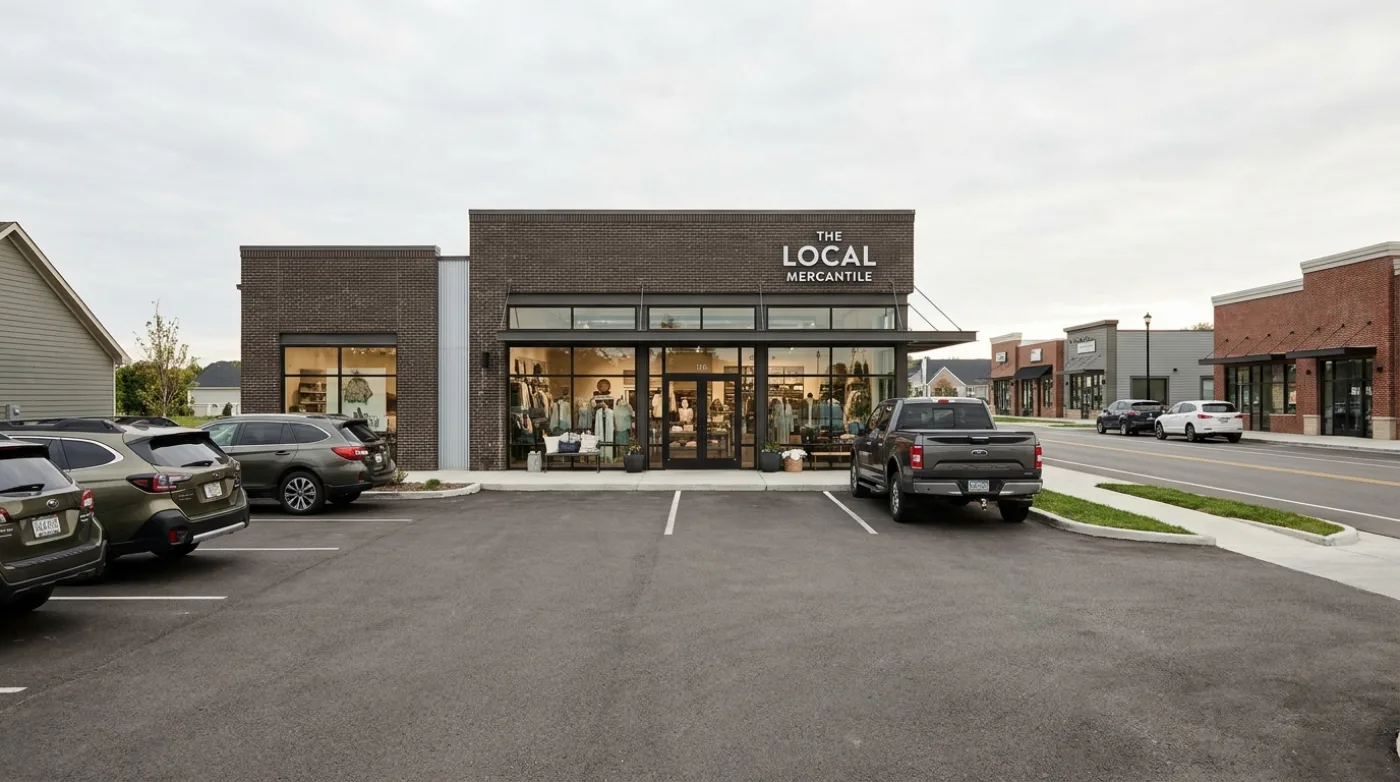
Somewhere beside your building, or behind it, or across the street where you keep the dumpster, there's a parking lot. You bought the land. You pay to plow it, seal it, stripe it, and light it. And for most of the week it does the single least profitable thing asphalt can do: nothing.
That lot is a business you already own. You've just never sent it an invoice.
This isn't a pitch to go build a parking empire. It's a walkthrough of how to actually start charging for the space you already have, especially if you're in a town that fills up on weekends, packs out in summer, or comes alive the week the slopes open. Those are exactly the operators leaving the most money on the pavement, because their busy season is short and they assume that makes it not worth bothering. It's the opposite. A short, intense season is the *easiest* kind to monetize, because demand shows up on its own and all you have to do is stop waving it through for free.
How to start: four steps
1. Confirm you can charge. Most private lots (a business's own spaces, a church lot, a landlord's corner lot) can set a rate without any special licensing. Municipal or curbside spaces are different and usually require a permit; if you're unsure which category you're in, check with your city before you put up a sign.
2. Pick a pricing model. Hourly for drop-in traffic, a flat day rate for events and weekend towns, or a monthly permit for regulars. Most small lots start with one simple rate and add complexity only once they see real demand.
3. Get a way to collect payment. A QR code sign is the fastest path: print it, mount it, and a driver can scan and pay from their phone in seconds. No booth, no gate, no staff standing outside taking cash.
4. Add enforcement once you know your numbers. A license-plate camera that flags anyone who skipped payment is worth adding after you've established what the lot actually earns, not before. Start simple, add hardware when the volume justifies it.
That's the whole setup. No trenching, no gate to install, no multi-week project. Most operators are live within an afternoon.
The math, with no enterprise hand-waving
Ten spaces. A summer town. beach, lake, a downtown with outdoor seating and a farmers market. Here's a peak month:
The weekends are the engine. Eight weekend days, nine of your ten spaces full, fifteen dollars a day. That's about $1,080 from Saturdays and Sundays alone. the two days you're probably not even using the lot for anything else.
Then the midweek trickle. Day-trippers, a festival, the people who couldn't get a spot at the meter downtown. Even three cars a day across the weekdays at twelve dollars adds roughly $790.
That's about $1,870 for the month, and you keep all of it. You set the rate, you collect the rate. the only add-on is a 10% service fee the driver pays on top, not something skimmed out of your number. No booth. No gate arm. No kid in a vest making minimum wage to wave people in.
And if you're a *weekend-only* business. the lot genuinely sits empty Monday through Friday. the weekend number stands on its own. A clean $1,080 a month, every dollar yours, for unlocking a gate you don't have. Over a three-month summer that's real money for doing, functionally, nothing.
Winter runs the same playbook in reverse. Ski-town lot, holiday shopping district, the block with the tree lighting and the market stalls. Different season, identical mechanics: short, dense, predictable demand that you're currently giving away.
We see this pattern across operators on the platform. the lots that look "too small" or "too seasonal" to bother with are frequently the ones quietly clearing the most per space, precisely because their demand is concentrated instead of spread thin. A 500-space garage open 24/7 is busy. A 10-space lot in a packed beach town on a Saturday in July is *full*, which is a different and better thing.
You are already in the parking business
You probably don't think of yourself as a parking operator. That's fine. Neither does the bar with the lot that's dead until four. Neither does the church empty Monday through Friday, the restaurant that only needs its spaces at dinner, the shop with eight extra spots out back, or the small-town landlord with a corner lot and an honor-system cash box that nobody's put a dollar in since 2019.
None of you are on the radar of the companies that sell parking technology, because those companies built their entire business around the 500-space garage with a capital budget and an IT department. Nobody built the *simple* version, parking software for a ten-space lot, for the operator with ten spaces and a good location. That's the gap. That's the whole reason this post exists.
No booth, no gate, no staff. here's the actual mechanism
The reason this used to require a booth and a gate and a person is that charging for parking used to be hard. It isn't anymore.
You put up a sign. The sign has a QR code. A driver pulls in, scans it with the phone already in their hand, pays, and walks to wherever they're going. No app to download, no meter to feed, no quarters. If you want enforcement, a small license-plate camera reads plates on the way in and flags anyone who skipped the step, automatically, without you standing in the cold checking windshields.
Setup takes an afternoon. There's no hardware to trench in, no gate to maintain, no integration project, no per-gate licensing fee, no contract that locks you in for three years. You keep 100% of every rate you set. we add a 10% service fee to the driver's total, so we only earn when a car actually pays. If the season's slow, we make nothing right alongside you. Your number never gets touched.
Starting a truck or RV lot
The same four steps apply if your "lot" is really a stretch of gravel that fits rigs instead of sedans. The difference is mostly pricing and layout: truck and RV parking usually runs a flat overnight or daily rate rather than an hourly one, and spaces need to be sized and marked for longer vehicles. The payment and enforcement mechanics (QR sign, optional plate camera) work exactly the same whether the vehicle is a sedan or a semi.
The downside is that you make money
Run the honest worst case. Your town's quieter than you thought, the weekends underperform, you clear a few hundred a month instead of fifteen hundred. That's still a few hundred dollars you weren't making, off an asset you already own, for the cost of a sign and an afternoon.
The best case is that the dead lot behind your building turns into rent.
Frequently asked questions
OpenSpot is a free QR and LPR parking platform for US operators.
Follow on LinkedInMore for operators.
Guest and Visitor Parking for HOAs and Apartments
A guest list on a clipboard and a stack of paper hangtags is not a visitor parking system. Here's how digital permits and visitor passes actually work for HOAs and apartment communities.

NYC Parking Software: The Complete Guide for Garage and Lot Operators
New York parks differently from every other city. Attendant operations, DCWP rate filing, digital claim checks, compliant signage, and the Manhattan Resident Parking Tax Exemption. Here is everything NYC operators need to know.
The Real Cost of Parking Software: Why OpenSpot Charges $0 in SaaS Fees
The price on a parking software contract is almost never the price you pay. Here is every line item legacy platforms don't quote you up front, and how OpenSpot compares.