
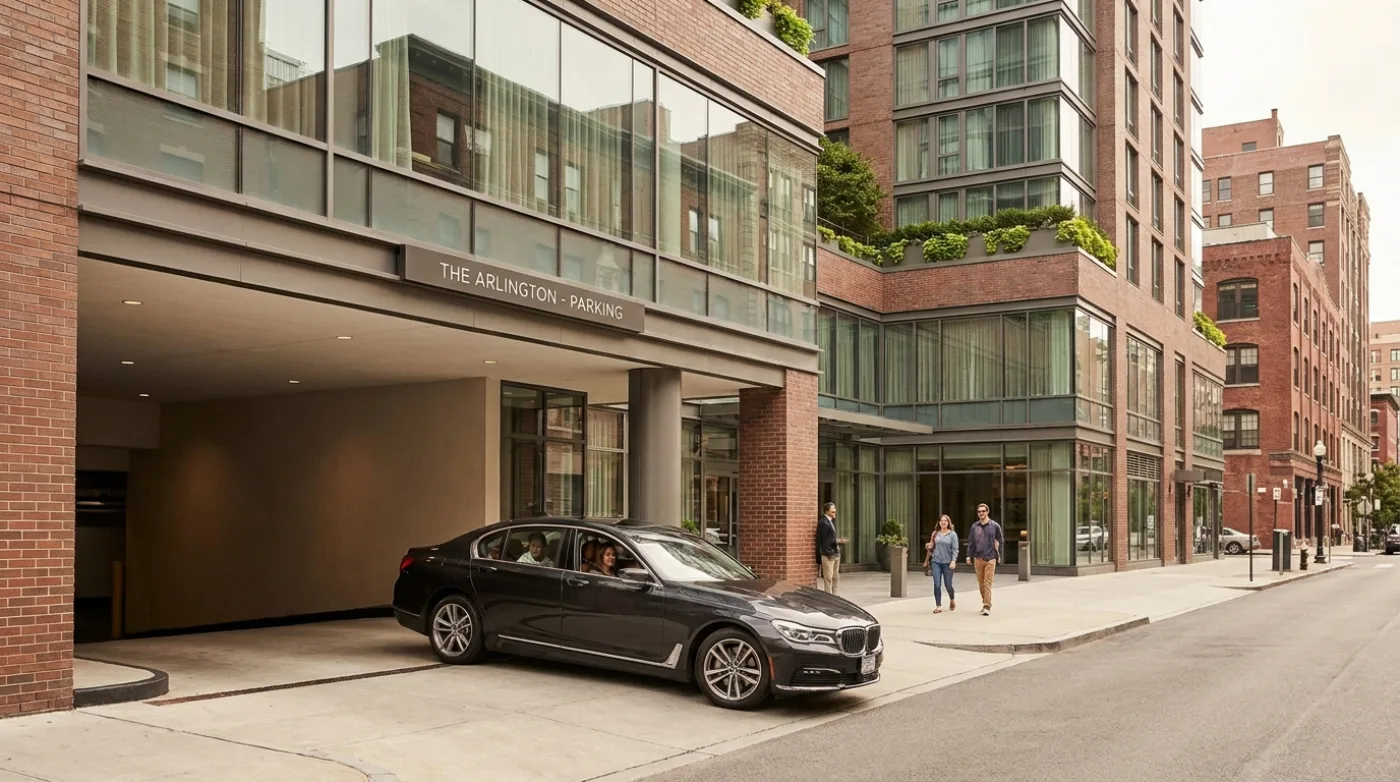
Guest expectations for parking aren't set by the hospitality industry. They're set by every other transaction your guest completes in a day: the tap at the coffee shop, the toll that bills automatically, the rideshare that just ends. By the time someone pulls into your lot, they've been trained to expect parking to be just as effortless. When it isn't, the gap is glaring.
The expectation was set somewhere else
Five years ago, a parking app felt like a modern amenity. Today it feels like a burden. The window closed faster than most operators noticed, and it closed because the rest of life moved on without them.
The reference points are everywhere now. Guests tap to pay for coffee without opening a wallet. Highway tolls bill automatically without slowing down. Rideshares end with no transaction at all. Hotel room keys live on a phone. By the time a guest pulls into your lot, they've been trained by hundreds of frictionless interactions to expect that the next one will be just as easy. When parking asks them to do more, it doesn't feel inconvenient. It feels broken.
"No app, please"
Here's the trap operators fall into: assuming "contactless" means "download our app." It doesn't.
Count the steps a guest has to complete to use a parking app they've never installed: unlock phone, open app store, search for the app, download it, open it, create an account, enter a card, find the lot, pay. That's nine steps before they've even moved the car. Compare that to QR: point the camera at the sign, tap pay. Two steps.
Asking a guest to go through nine steps while idling at an entrance is more friction than the ticket machine it replaced. Nobody downloads an app to park for one night. What guests actually expect is to do nothing, or nearly nothing: scan a QR code that opens a simple payment page in their browser, or drive in past a camera that already knows who they are. The best parking experience is the one the guest barely notices.
The three moments that matter
Arrival. After a long drive or flight, the guest wants to stop the car and be done. Anything that makes them queue, hunt for a ticket, or troubleshoot a kiosk lands at the worst possible moment. The guest who spends ten minutes circling to find a working pay station arrives at the front desk already frustrated, before they've seen their room.
Payment. It should take seconds, work in the phone they're already holding, and not require an account they'll never use again. The guest who stands at a kiosk watching it decline their card three times before calling the front desk doesn't blame the kiosk. They blame the hotel.
Departure. No scramble for a validated ticket, no stuck arm, no "please see the attendant." They should simply leave. The guest whose checkout is smooth and fast forgets about parking entirely. The guest whose exit arm won't lift while their ride to the airport is waiting does not.
Parking is the bookend of the stay: the first impression on arrival and the last one on the way out. Both are disproportionately memorable, and both are easy to get wrong.
What this means for operators
The questions worth asking about your current setup:
- Can a guest pay without downloading anything?
- Does the payment flow work in the browser they already have, without creating an account?
- Does a returning guest or permit holder have to do anything at all, or are they recognized automatically?
- If something goes wrong at the entrance or exit, can it be resolved without calling the front desk?
Every "no" is friction your guest will feel and, increasingly, mention in a review. Most operators who are losing on parking experience don't know it because guests don't complain at the desk. They find out six days later when the review posts.
The cost of falling short
Bad parking rarely generates a complaint at the desk. It generates a sentence in an online review, "parking was a hassle," that quietly costs you future bookings.
But the positive version is worth understanding too. Guests who leave without friction don't write reviews about parking. They just leave. No mental note, no lingering irritation, no sentence in a review. The stay ends cleanly, and that clean ending shapes how they remember the whole visit. Those guests come back. They don't mention parking because there's nothing to mention.
In guest experience, invisible is the goal. Contactless parking software, done right, is something your guest never has to think about, and that's the highest compliment a parking system can earn.
Frequently asked questions
OpenSpot is a free QR and LPR parking platform for US operators.
Follow on LinkedInMore for operators.
Guest and Visitor Parking for HOAs and Apartments
A guest list on a clipboard and a stack of paper hangtags is not a visitor parking system. Here's how digital permits and visitor passes actually work for HOAs and apartment communities.

NYC Parking Software: The Complete Guide for Garage and Lot Operators
New York parks differently from every other city. Attendant operations, DCWP rate filing, digital claim checks, compliant signage, and the Manhattan Resident Parking Tax Exemption. Here is everything NYC operators need to know.
How to Start a Parking Lot Business (And What It Actually Earns)
Starting a parking lot business doesn't require a booth, a gate, or a capital budget: just a lot, a sign, and a way to get paid. Here's how to start, and the real math on what a small lot can earn.