

QR code parking payment is a contactless system where a driver scans a printed or displayed QR code, which opens a payment page in their phone's browser, and pays for parking in seconds without downloading an app or taking a ticket. The operator needs only signage with the code, not gates, dispensers, or kiosks, which is why it is replacing traditional pay stations at hotels and surface lots.
How it works, step by step
Scan. The guest points their phone camera at a QR code on a sign, the entrance, or the parking space. No app, no account.
Open. The code opens a simple payment page in the browser they already use. The page knows which lot, and often which space, the guest is in.
Pay. The guest pays with Apple Pay, Google Pay, or a card in a few taps. The session starts immediately.
Park. That's it. There is nothing to print, validate, or carry, and nothing for a machine to jam.
The entire flow takes seconds and works on the phone in the guest's hand, which is exactly the standard guests now expect from every other transaction in their day.
Why operators are switching
No hardware to maintain. A QR sign does not jam, freeze, or need a service call. Replacing a kiosk with a code removes an entire category of maintenance and downtime.
Faster to launch. Because there is almost nothing to install, a QR lot can go live quickly, often the same day, rather than waiting on a hardware project.
No app friction. Asking guests to download an app to park for one night is more friction than the ticket machine it replaces. A browser page asks nothing of them beyond paying.
Lower cost to run. With no gates or pay stations, both the upfront and ongoing costs drop, and the operator manages rates and sessions from a dashboard.
QR codes and LPR together
QR payments and license plate recognition are complementary, not competing. QR is ideal for first-time and transient visitors who pay in seconds with their phone. LPR is ideal for repeat or registered users, who are matched automatically and never touch anything. Many operators pair the two: LPR handles the regulars, QR handles everyone else, and neither requires a barrier arm.
What you need to get started
The requirements are deliberately small: signage with the QR code placed where guests naturally see it, a payment processor connected to receive funds, and a dashboard to set rates and monitor sessions. With OpenSpot, QR parking carries no monthly platform fee for operators and can be live in under ten minutes; the platform is funded by a 10% convenience fee charged to the driver, and payouts reach the operator weekly.
Frequently asked questions
OpenSpot is a free QR and LPR parking platform for US operators.
Follow on LinkedInKeep reading

NYC Parking Software: The Complete Guide for Garage and Lot Operators
New York parks differently from every other city. Attendant operations, DCWP rate filing, digital claim checks, compliant signage, and the Manhattan Resident Parking Tax Exemption. Here is everything NYC operators need to know.
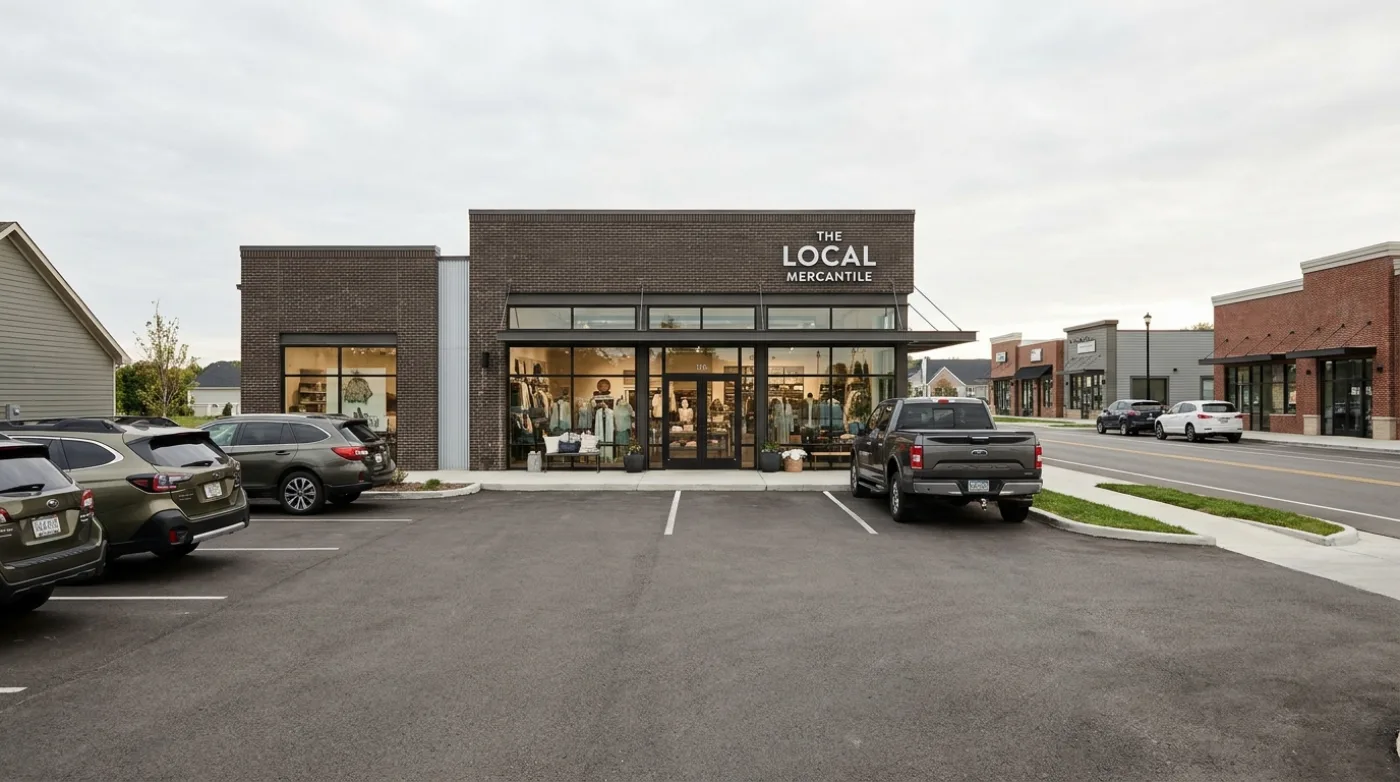
How a 10-Space Lot Makes $1,500/Month With No Booth, No Gate, No Staff
A 10-space lot in a weekend town can clear $1,500/month or more. here's the math, and why the lots that look too small to bother with are often the ones leaving the most money on the pavement.
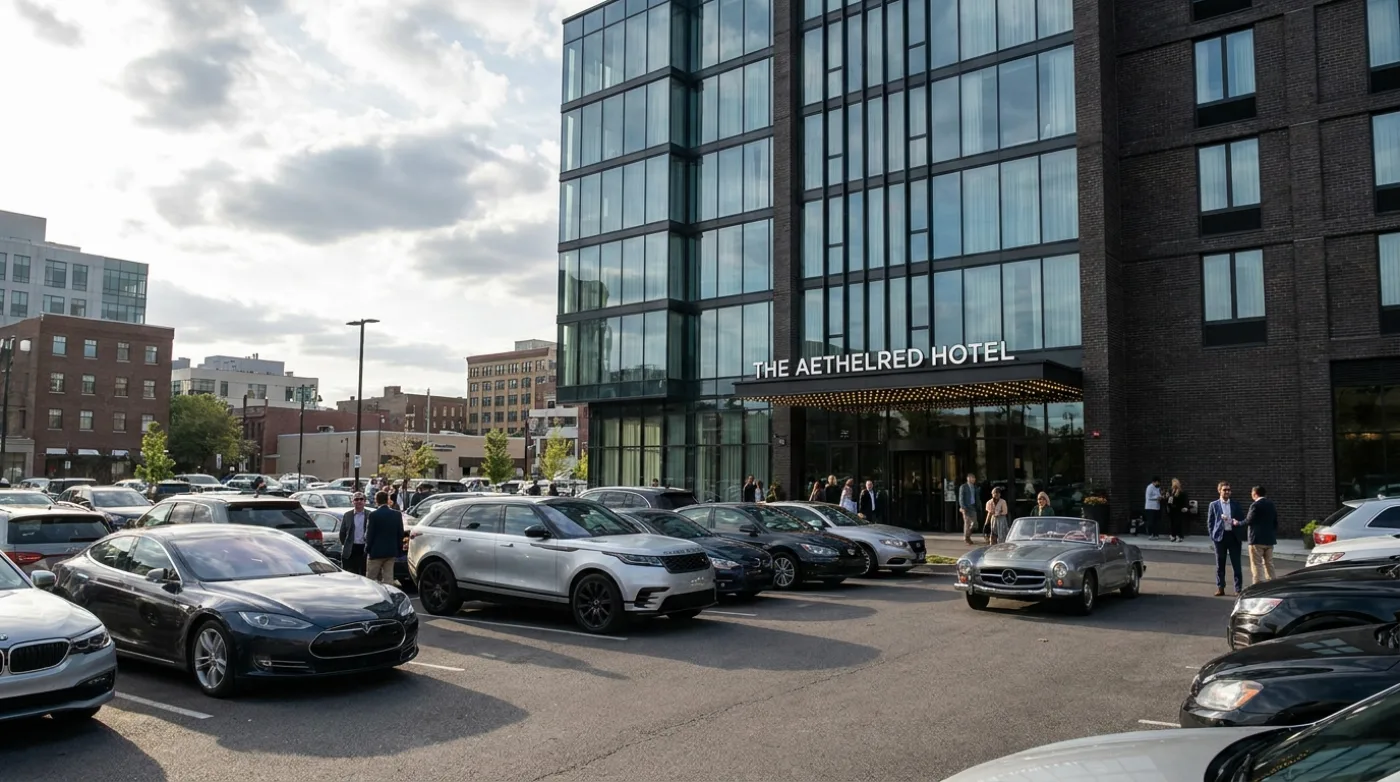
The Real Cost of Parking Software: Why OpenSpot Charges $0 in SaaS Fees
The price on a parking software contract is almost never the price you pay. Here is every line item legacy platforms don't quote you up front, and how OpenSpot compares.